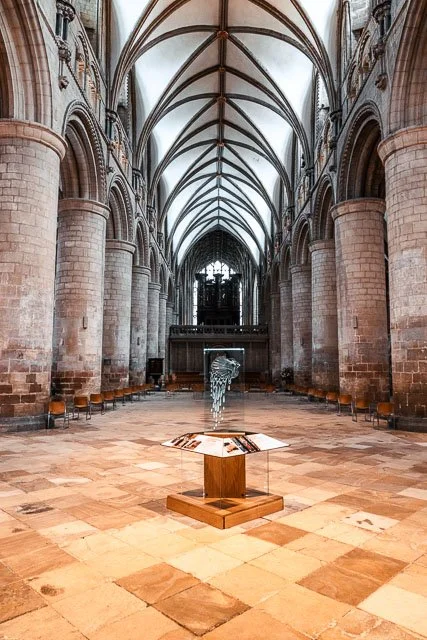
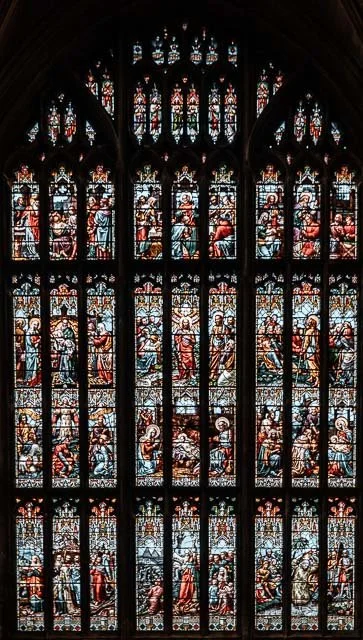
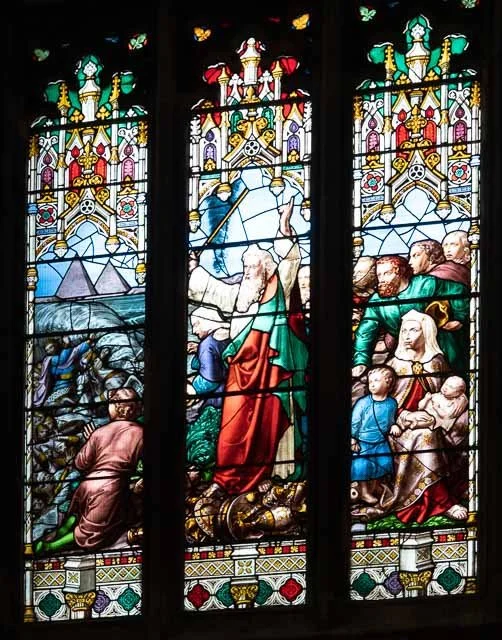
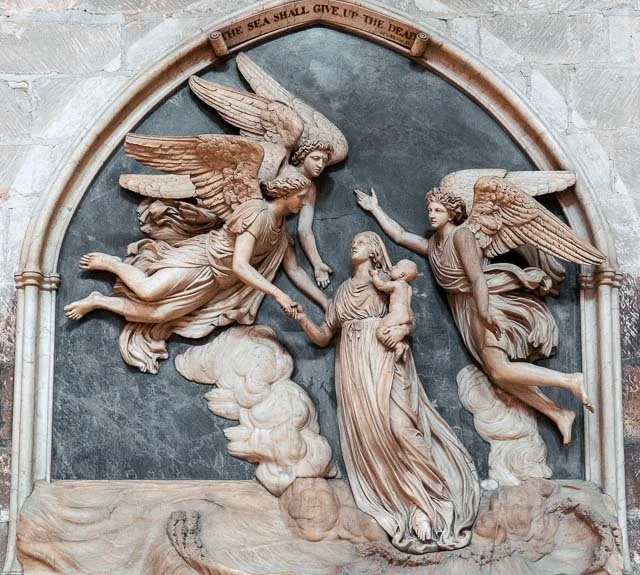
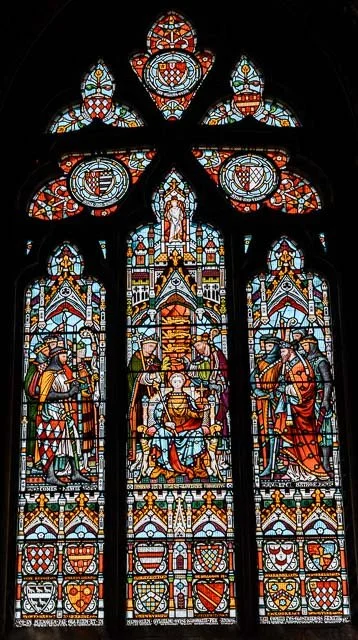
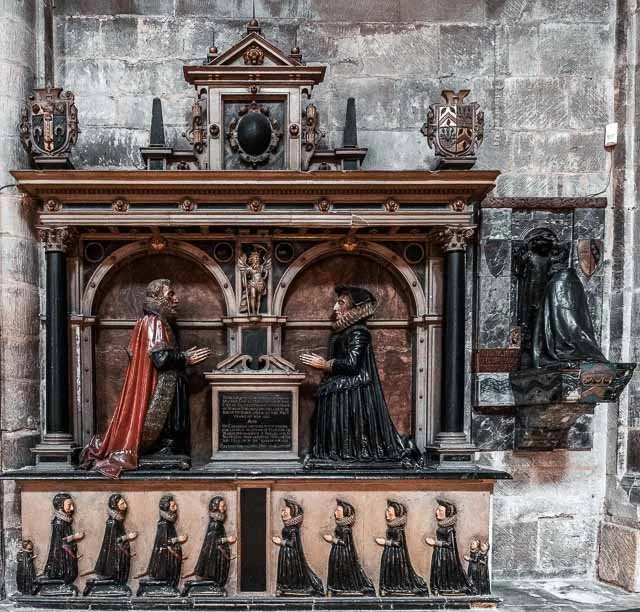
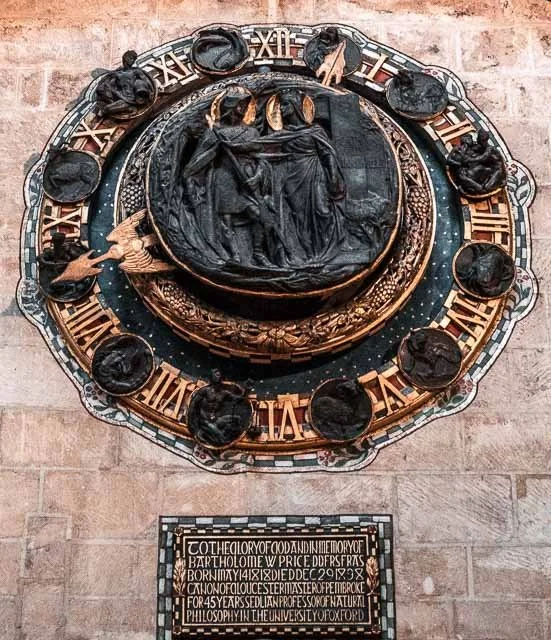
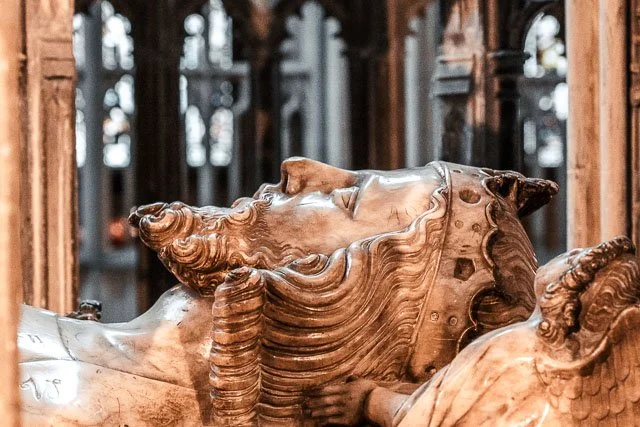
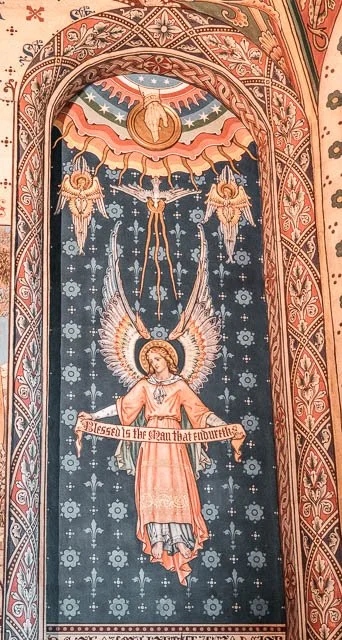
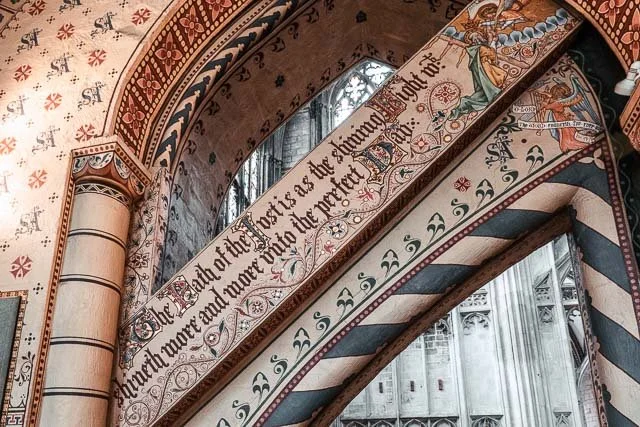
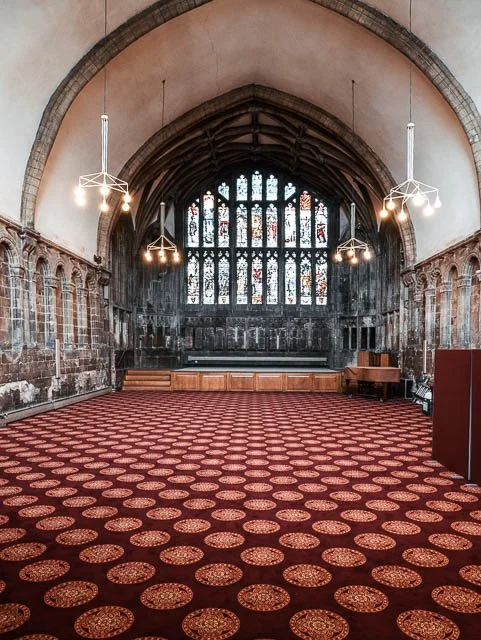
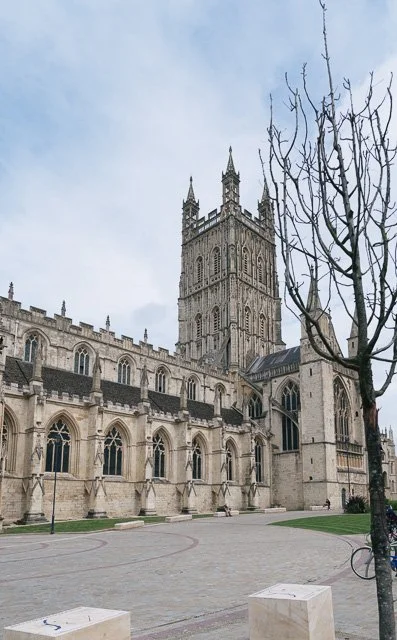
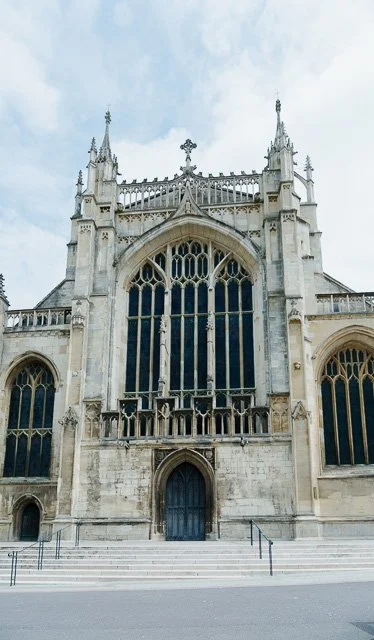
Gloucester Cathedral, formally the Cathedral Church of St Peter and the Holy and Indivisible Trinity and formerly St Peter's Abbey, in Gloucester, England, stands in the north of the city near the River Severn.
It originated with the establishment of a minster, Gloucester Abbey, dedicated to Saint Peter and founded by Osric, King of the Hwicce, in around 679.
The subsequent history of the church is complex; Osric's foundation came under the control of the Benedictine Order at the beginning of the 11th century and in around 1058, Ealdred, Bishop of Worcester, established a new abbey "a little further from the place where it had stood". The abbey appears not to have been an initial success, by 1072, the number of attendant monks had reduced to two.
The present building was begun by Abbott Serlo in about 1089, following a major fire the previous year. William the Conqueror held his Christmas Court at the chapter house in 1085, at which he ordered the compilation of Domesday Book.
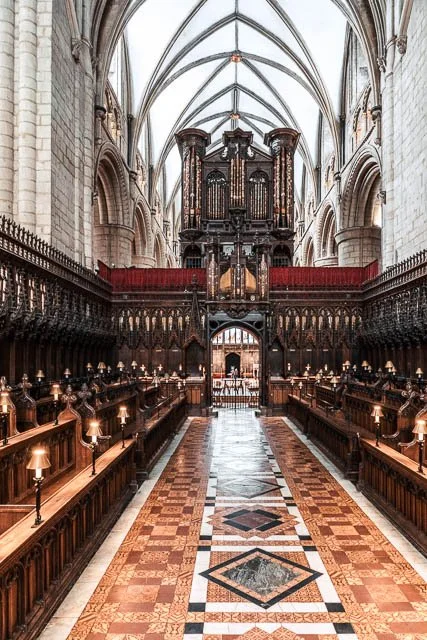
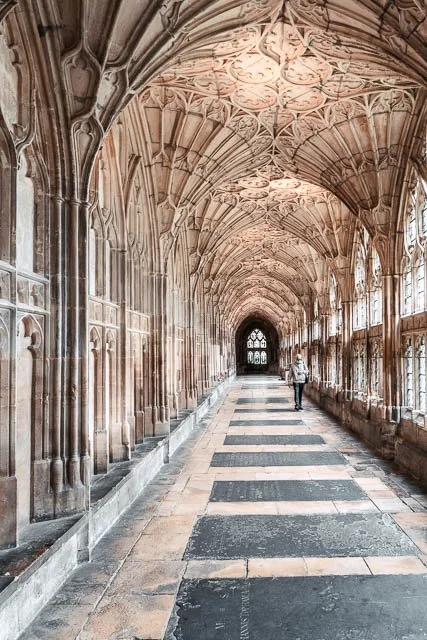
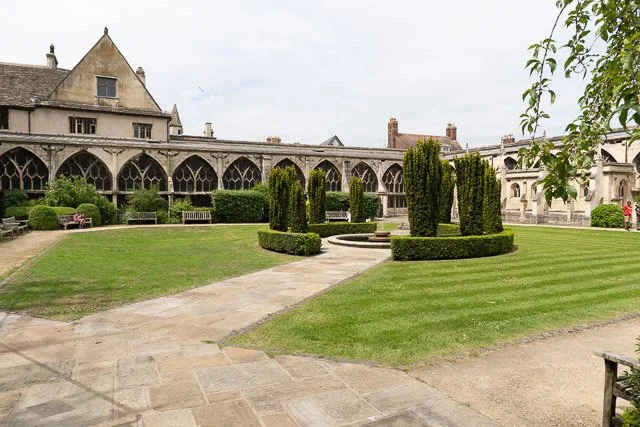
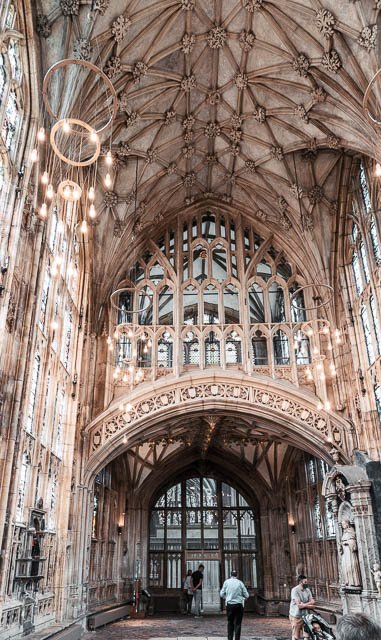
After another disastrous fire in 1222, an ambitious rebuilding programme was begun. In the 14th century, the choir, transepts, and Great and Little Cloisters were reconstructed, displaying the earliest surviving example of structural fan vaulting.
The cathedral underwent much restoration in the 18th century, and again in the 19th. In 1989, it celebrated its 900th anniversary.