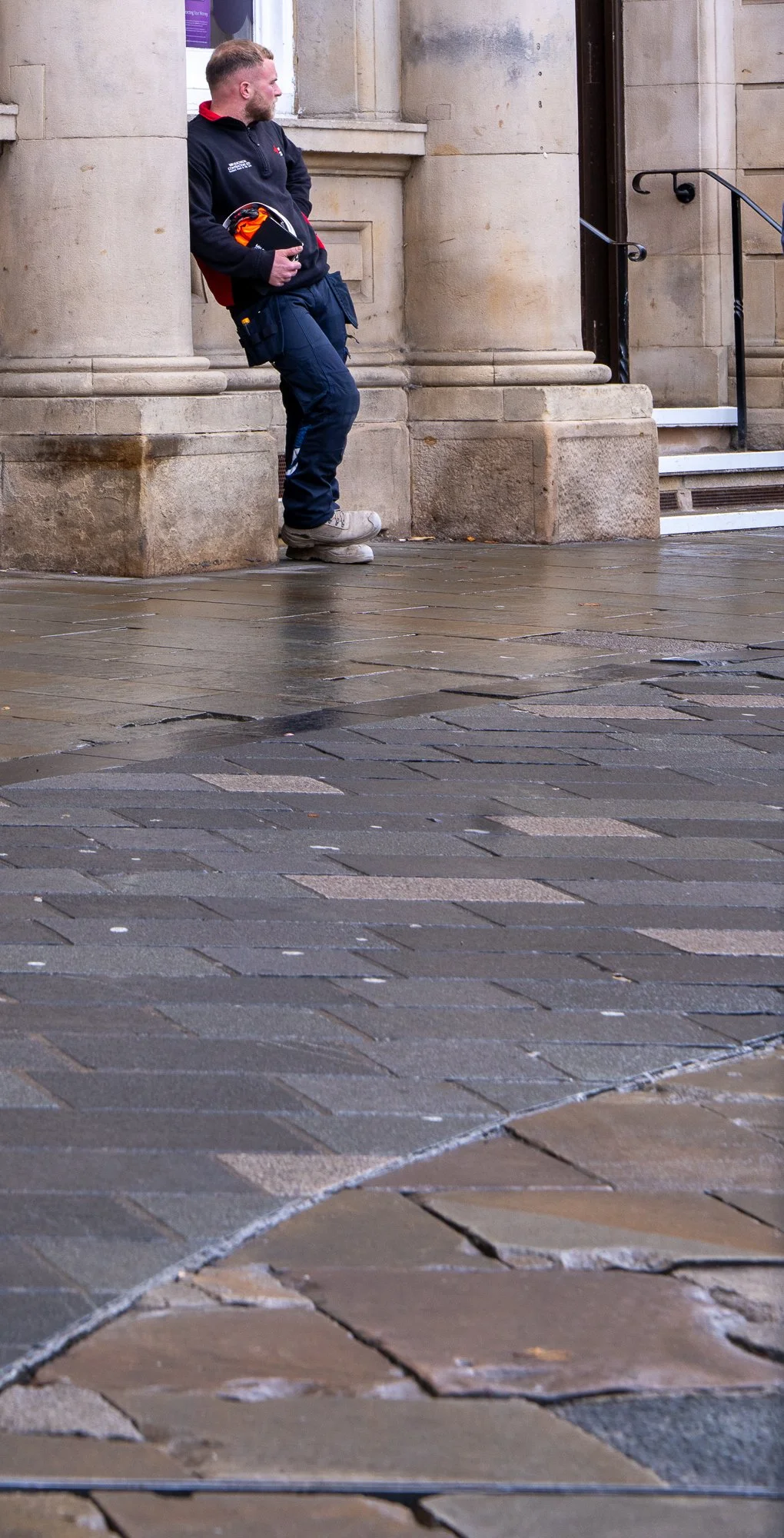
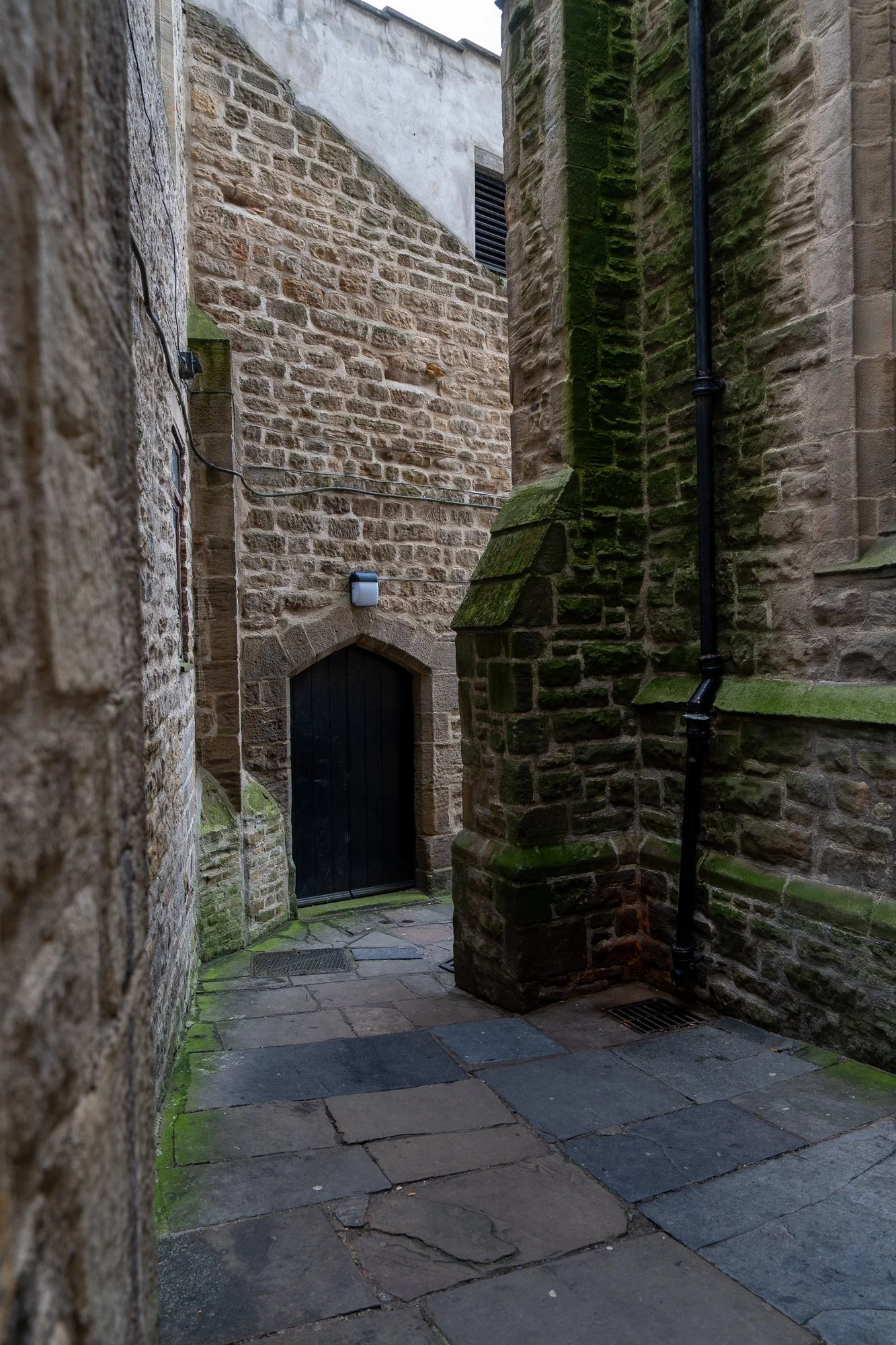
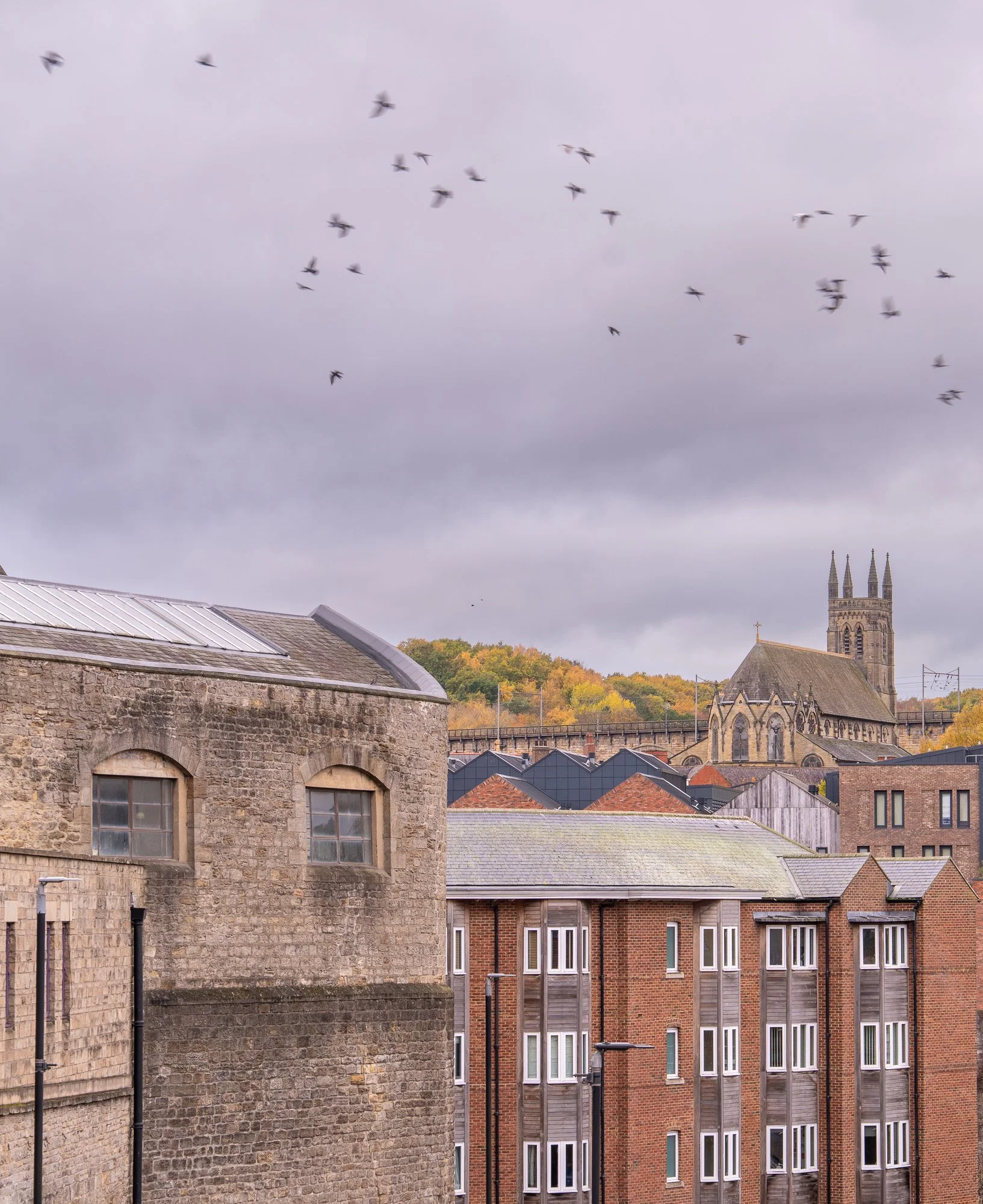
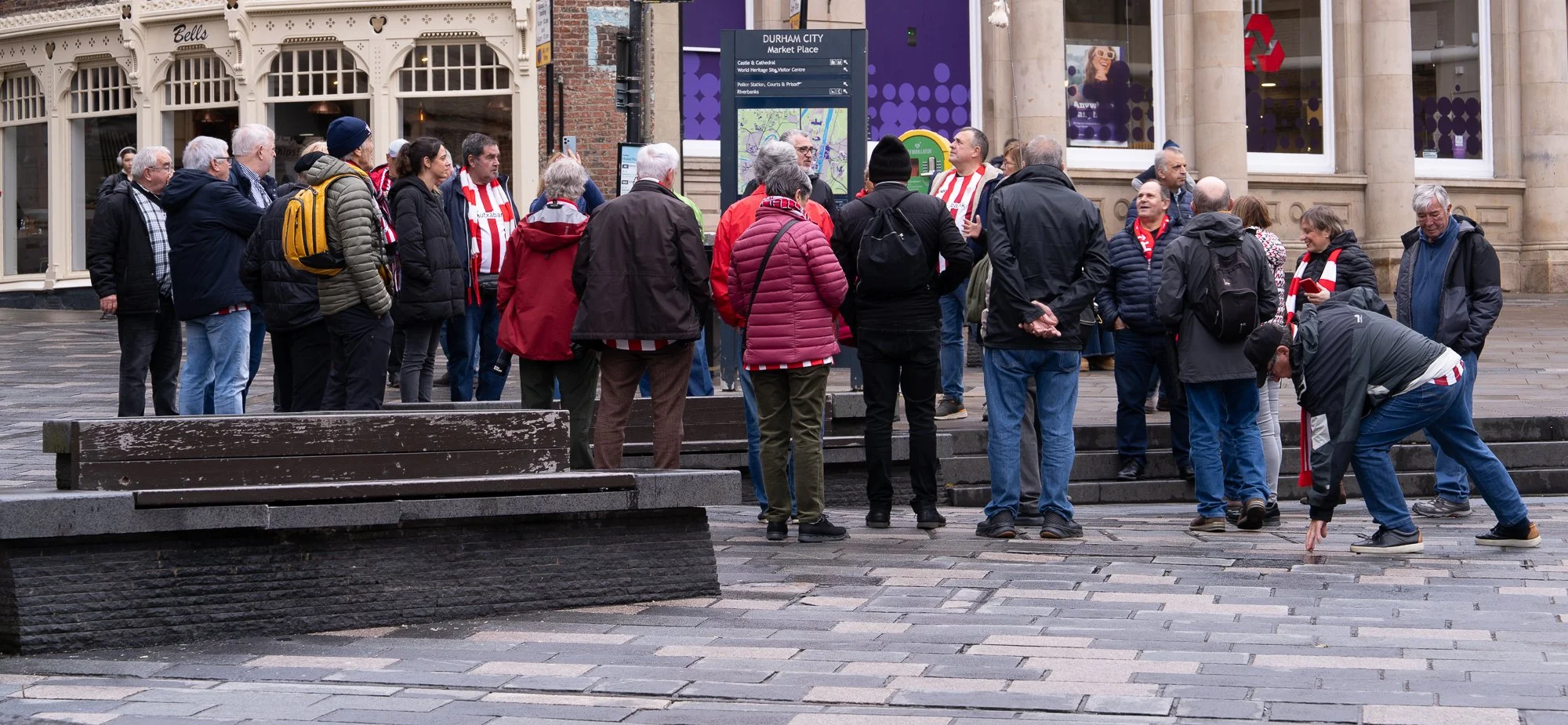
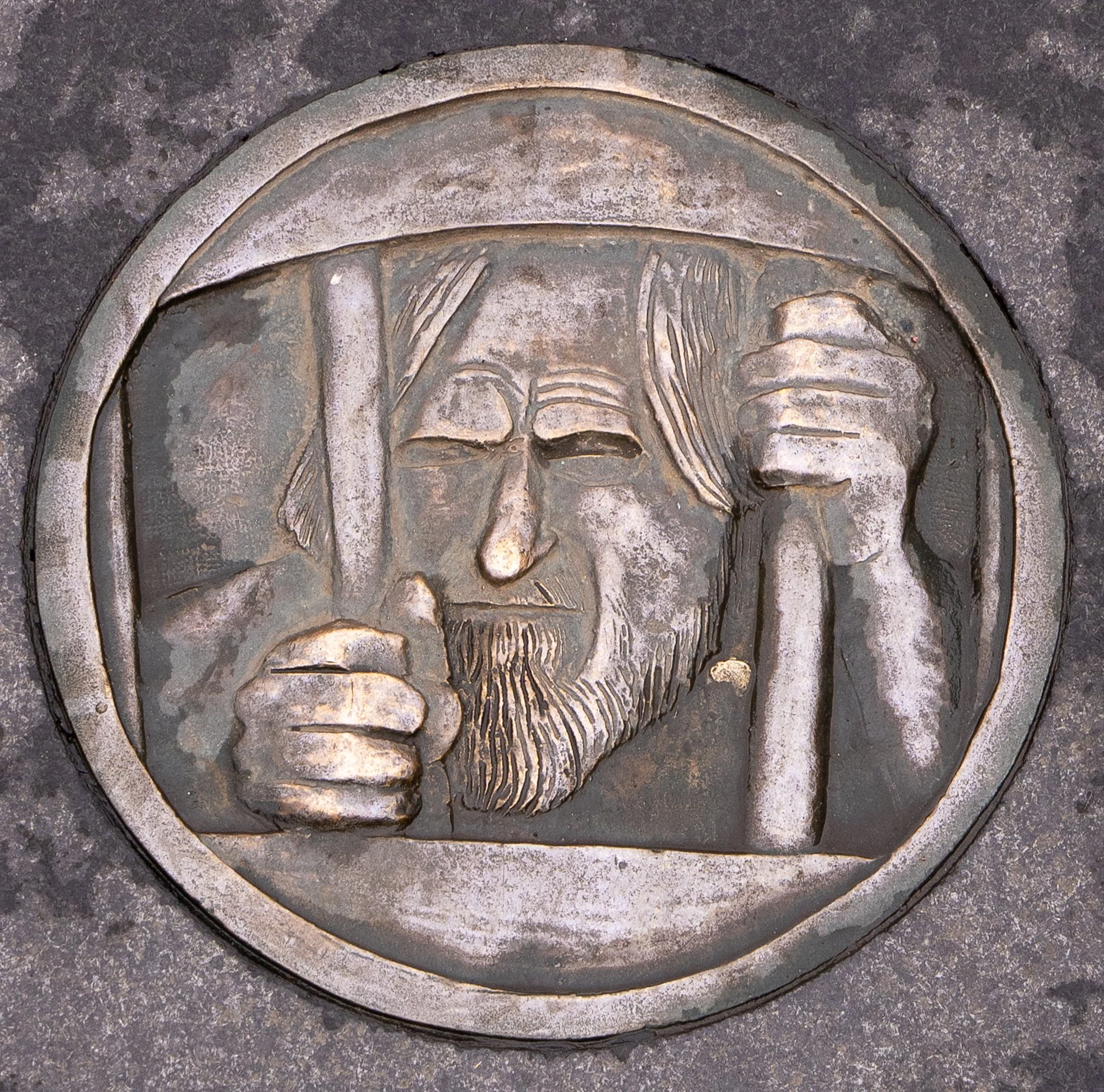
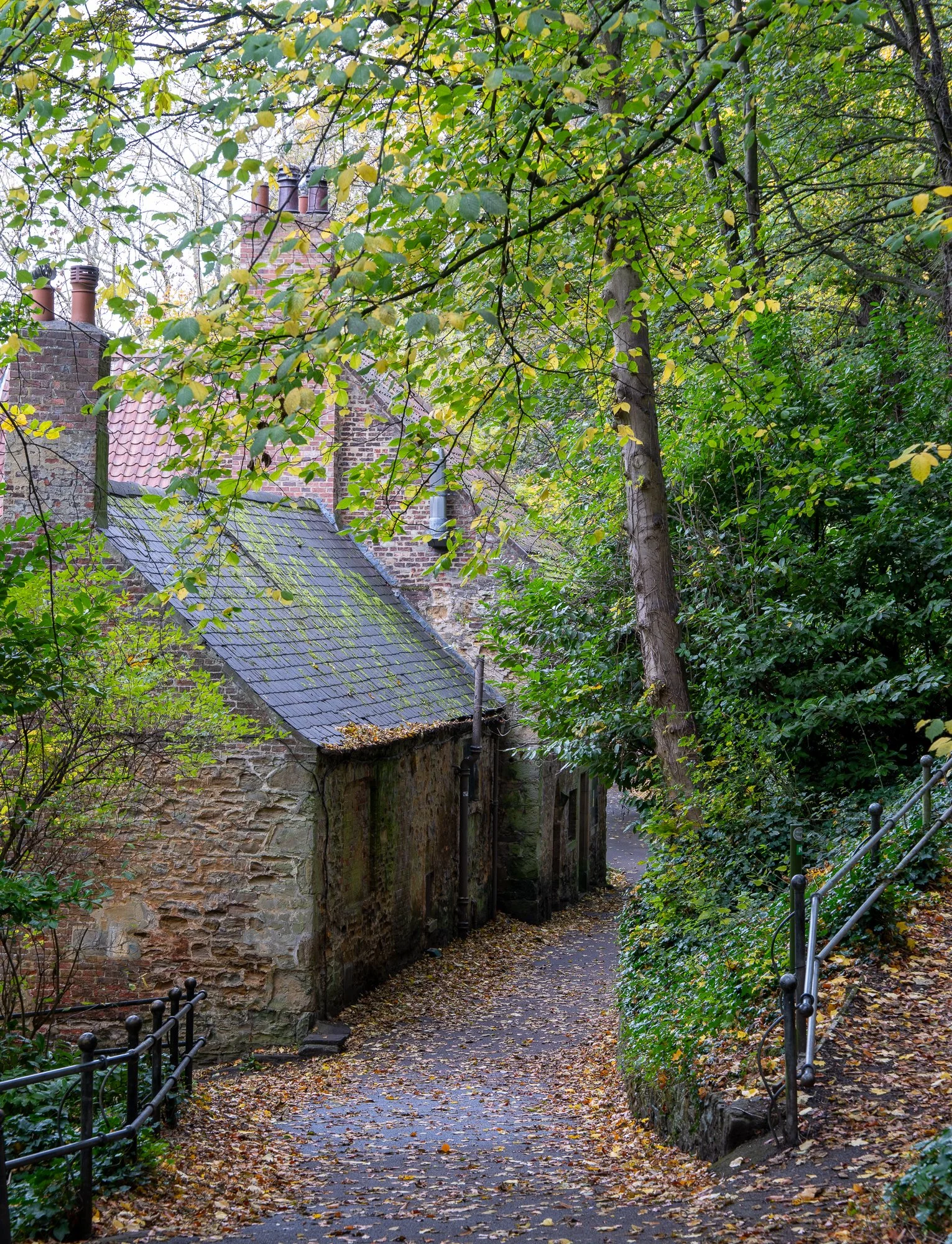
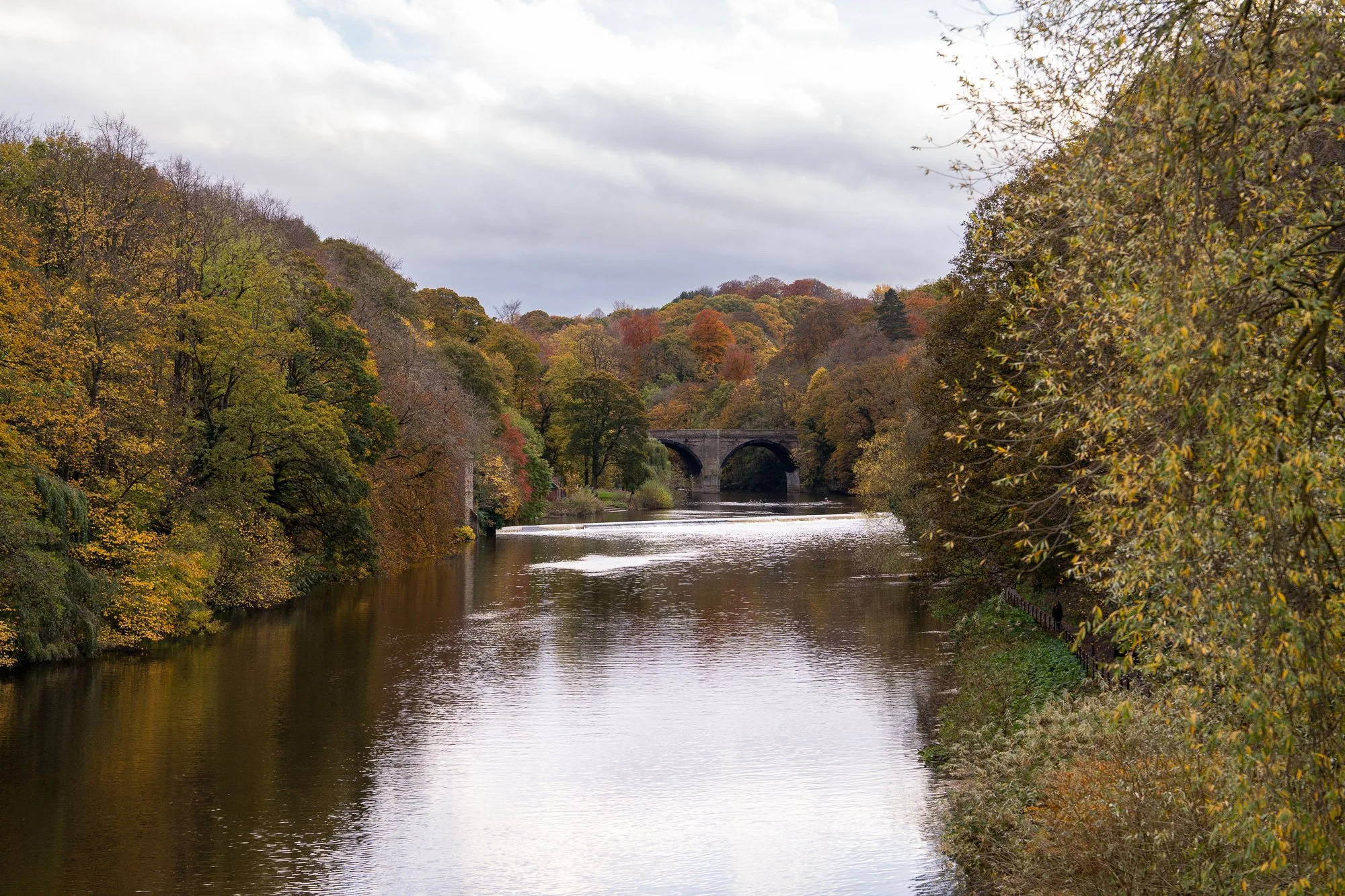
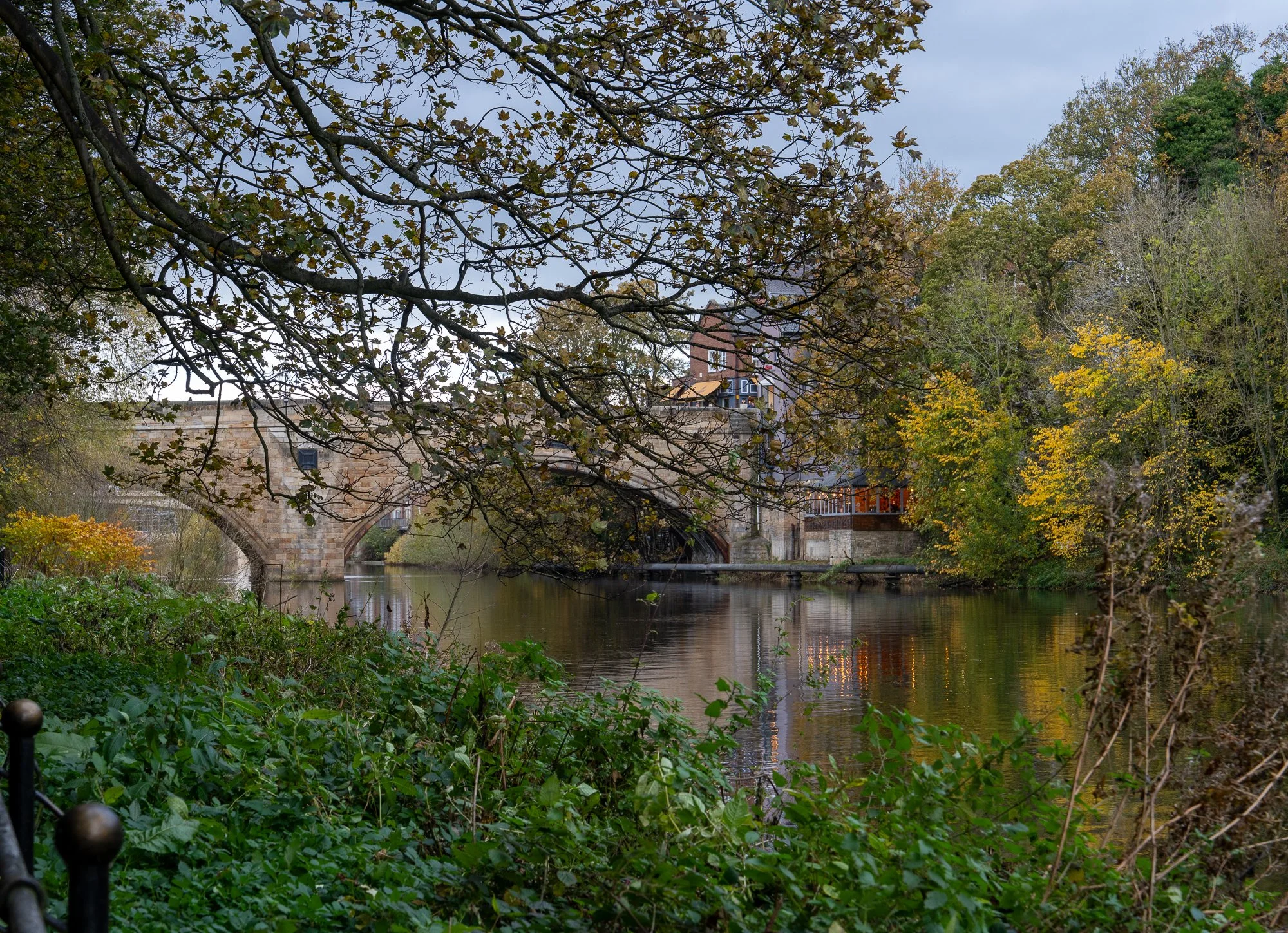
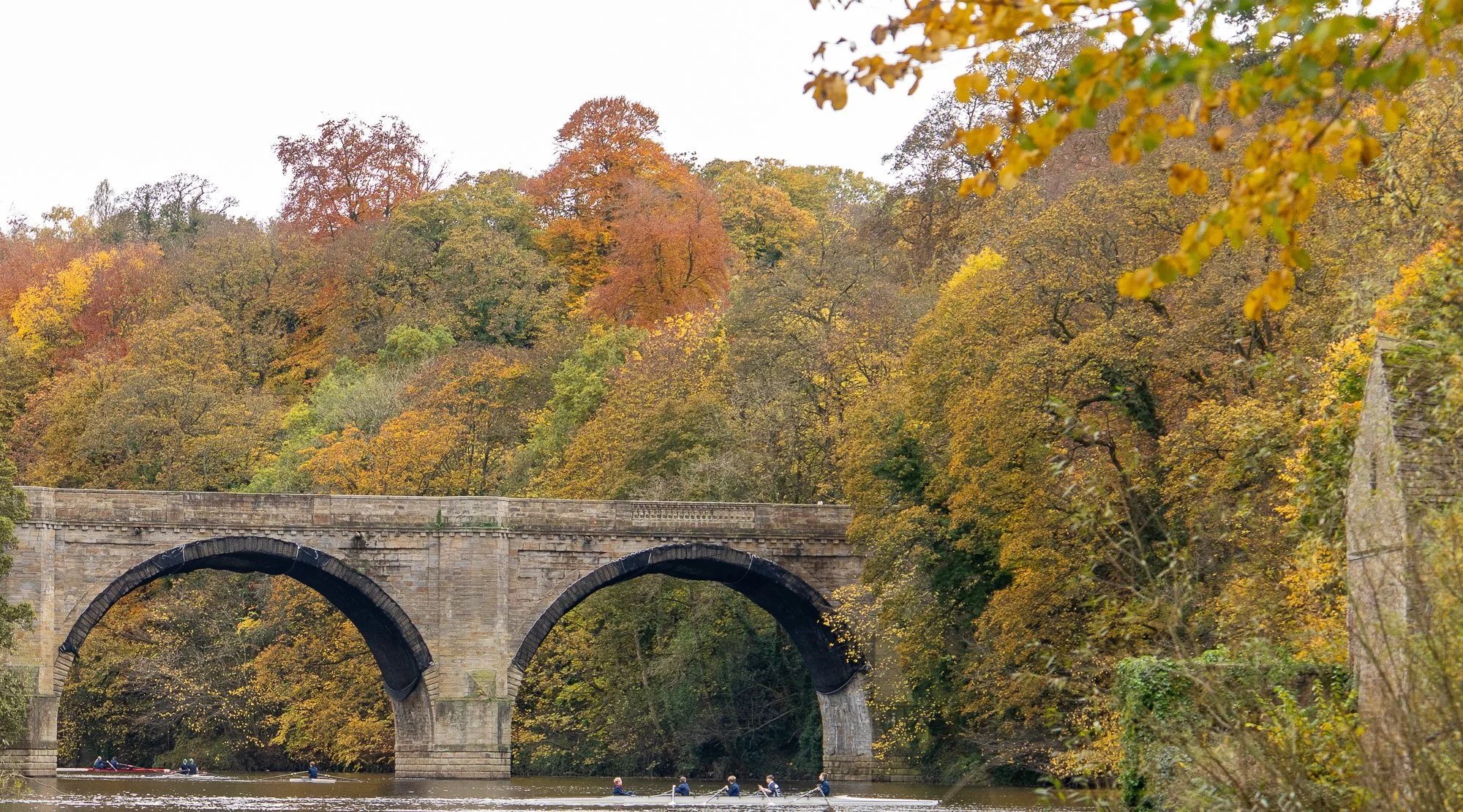
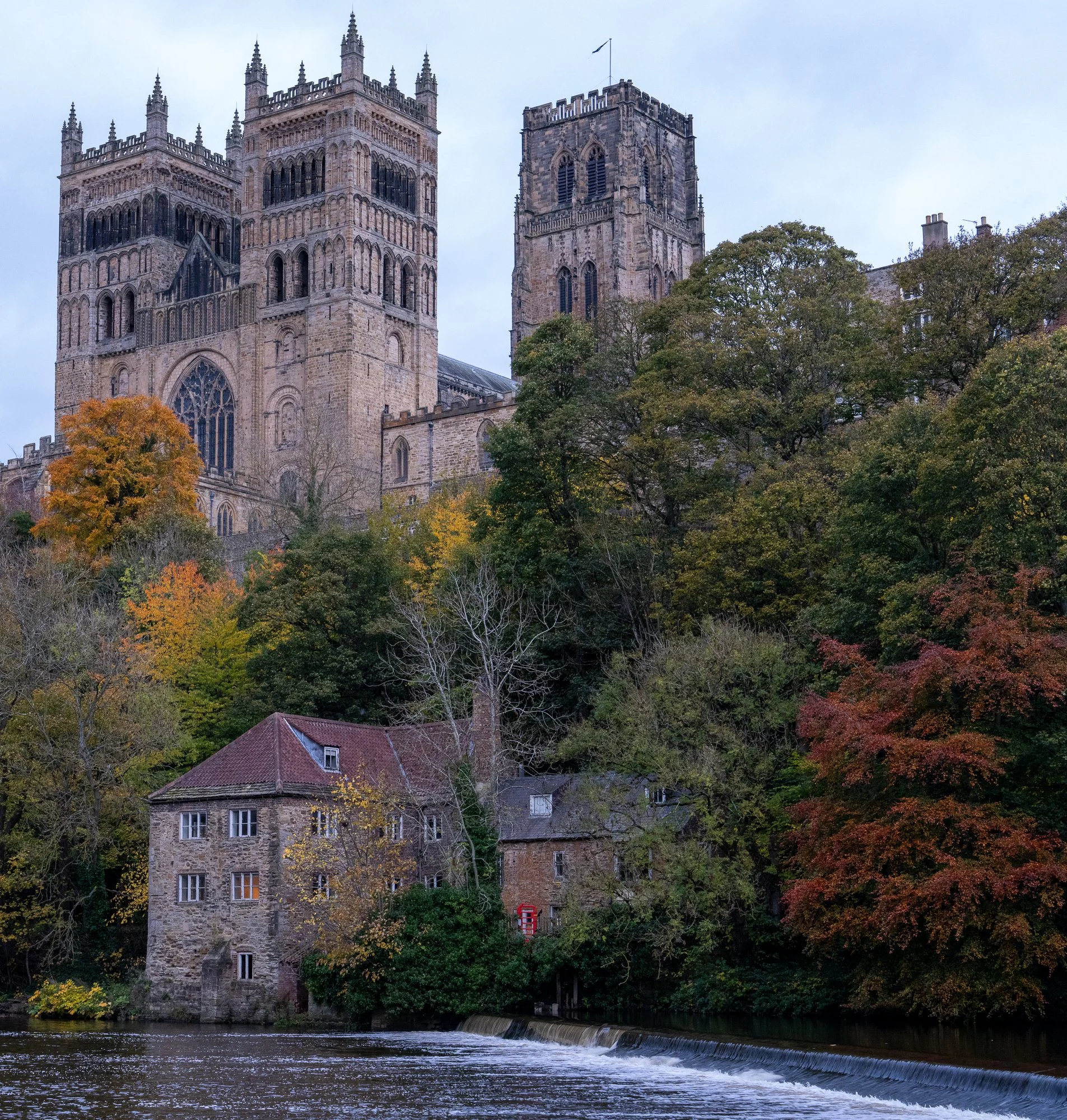
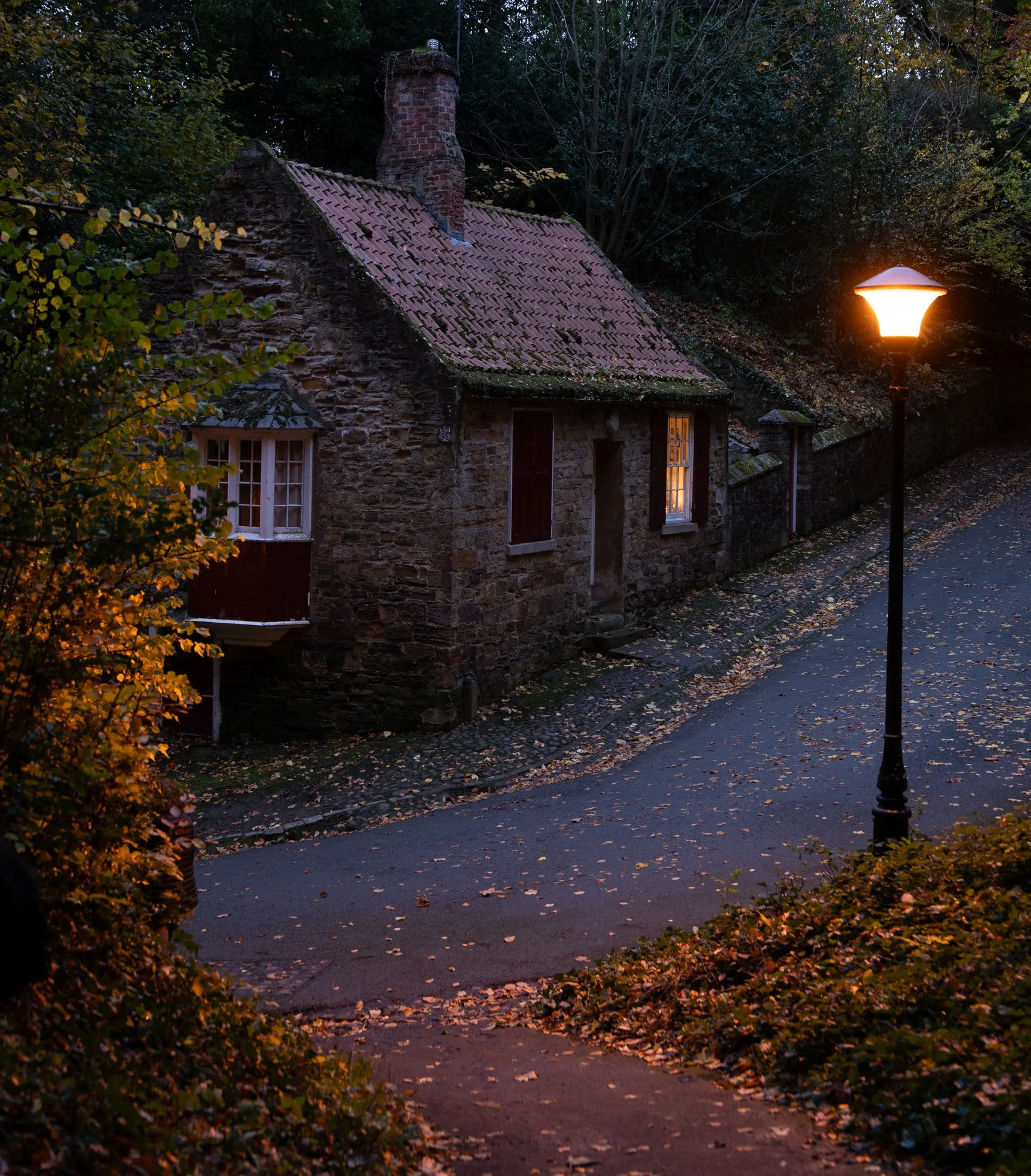
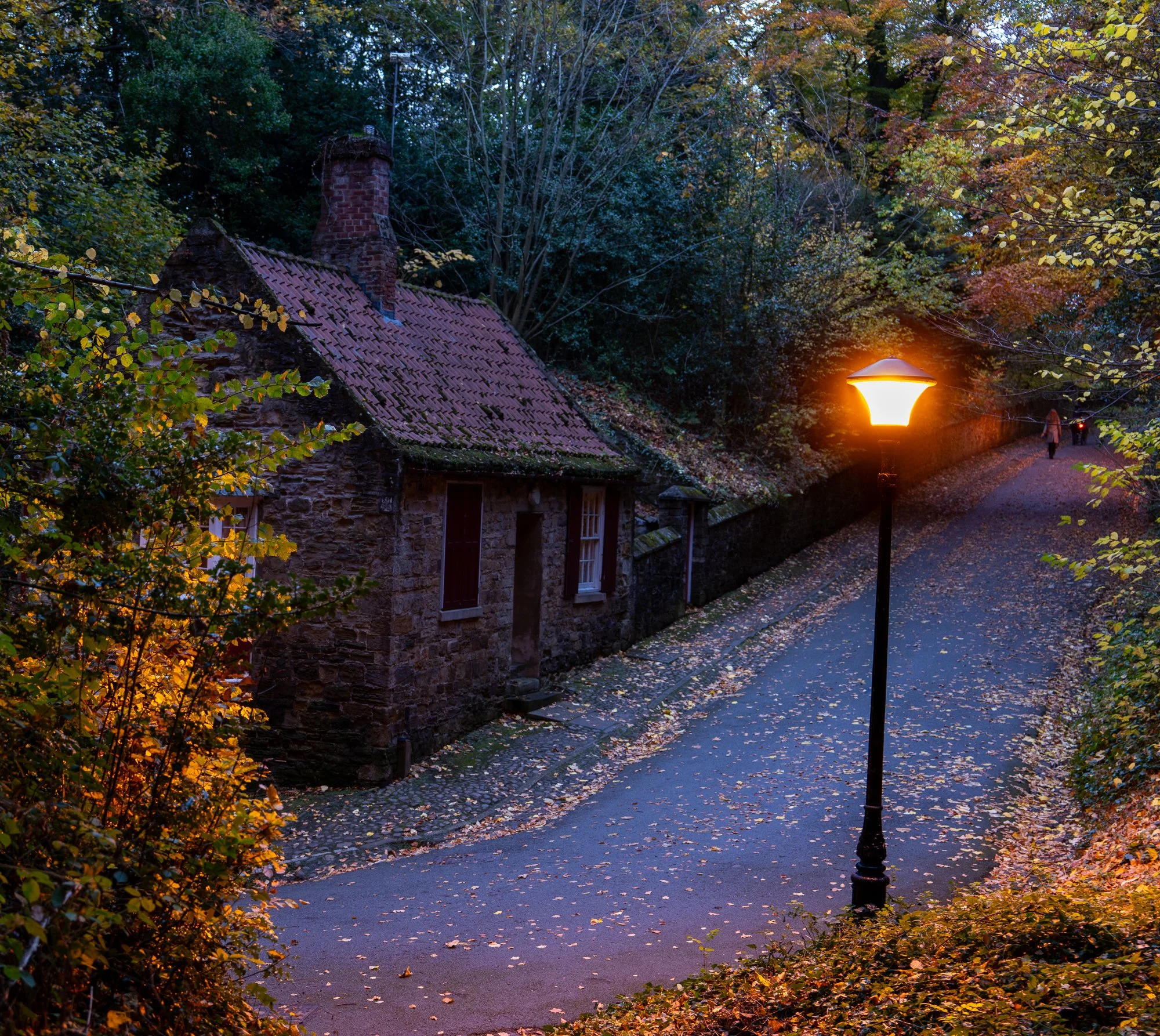
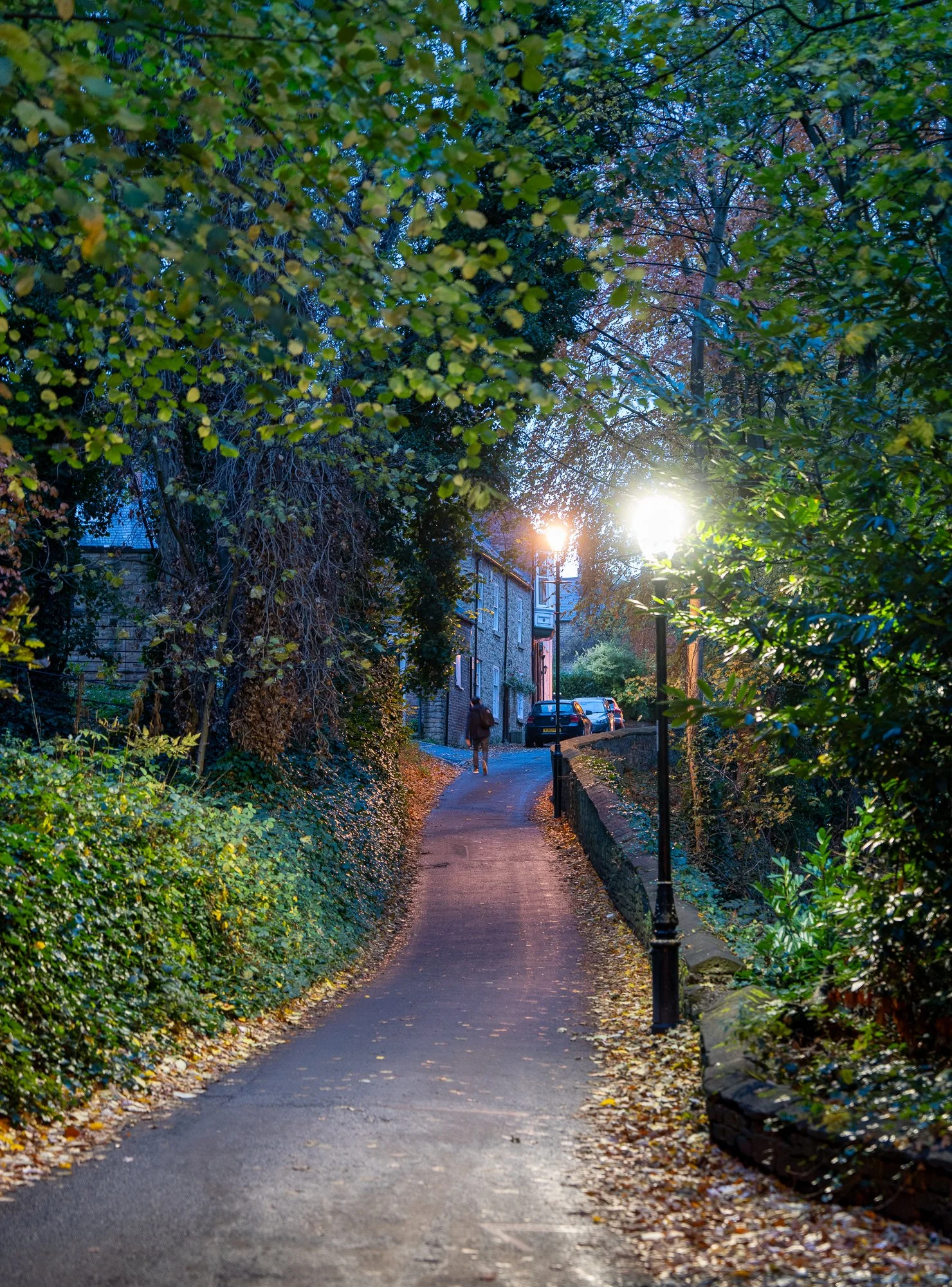
Durham is a cathedral city in County Durham, England. The city was built on a meander of the River Wear, which surrounds the centre on three sides and creates a narrow neck on the fourth. The surrounding land is hilly, except along the Wear's floodplain to the north and south-east.
Durham was founded in 995 by Anglo-Saxon monks seeking a place safe from Viking raids to house the relics of St Cuthbert. The church the monks built lasted only a century, as it was replaced by the present Durham Cathedral after the Norman Conquest; together with Durham Castle.
From the 1070s until 1836, the city was part of the County Palatine of Durham, a semi-independent jurisdiction ruled by the prince bishops of Durham which acted as a geopolitical buffer between the kingdoms of England and Scotland.
During the Industrial Revolution, the Durham coalfield was heavily exploited, with dozens of collieries operating around the city and in nearby villages. Although these coal pits have now closed, the annual Durham Miners' Gala continues and is a major event for the city and region. Historically, Durham was also known for the manufacture of hosiery, carpets, and mustard.